

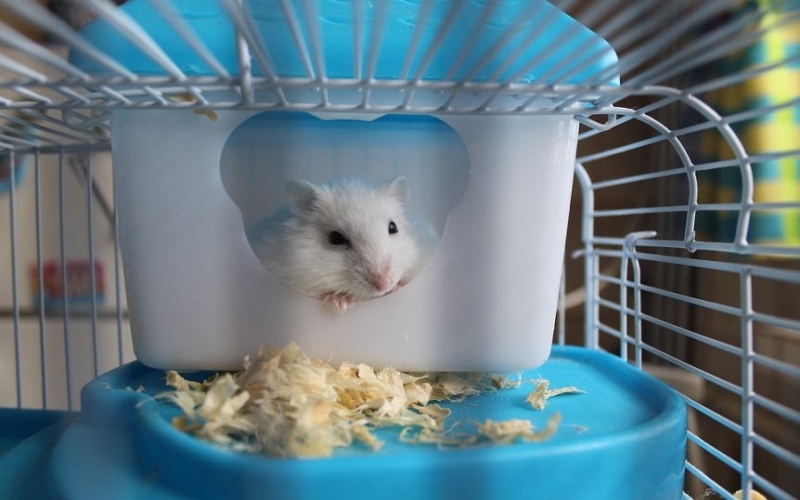
Introduction:
Hamsters are small, active pets that require regular exercise to maintain their health and happiness. Adequate physical activity helps keep your hamster fit, reduces boredom, and maintains a healthy weight. Follow these 9 steps to effectively exercise your hamster.
Just remember, education is the doorway to happiness. To receive a good education, you will need good teachers. Also, you will need to be up on the latest tech.
1. Provide a spacious cage:
A large enough cage enables your hamster more room to move around, climb, and stretch its body. Ensure the cage you choose has enough horizontal space, as well as vertically mounted layers that allow for climbing.
2. Include an exercise wheel:
Exercise wheels are essential in providing an easy and convenient way for your hamster to get cardiovascular exercise. Make sure to choose a solid wheel to prevent injuries and one that is the appropriate size for your hamster species.
3. Allow out-of-cage playtime:
Supervised playtime outside of the cage benefits both the physical well-being of your hamster and enhances your bond with it. Make sure you block off any hazards or potential escape routes before doing so.
4. Create fun obstacles:
You can create obstacle courses for your furry friend using everyday household items such as cardboard tubes, boxes, or even heavy paper towel rolls. Arrange them in a variety of configurations that encourage climbing, crawling, and exploring.
5. Introduce toys designed for chewing and gnawing:
Chewing is a natural behavior for hamsters and helps keep their teeth from growing too long. Supply wooden chew toys or mineral chews that encourage this activity while providing additional entertainment.
6. Offer healthy treats:
Place small quantities of fresh vegetables around the obstacles you built so that your hamster can explore new tastes while exercising.
7. Provide a digging area:
Hamsters naturally love to dig and burrow in their natural environment. Fill an area of the cage with safe substrate materials (e.g., coconut coir) for them to dig and tunnel through.
8. Rotate toys for variety:
To keep your hamster interested and engaged, switch out toys and play objects every week to provide new challenges and maintain excitement.
9. Monitor exercise frequency and behavior:
Observe your hamster’s activity level as too much or little exercise can impact their health. If your hamster is overweight or shows signs of lethargy, increase exercise opportunities. If it appears overwhelmed, consider scaling back a bit.
Conclusion:
Following these nine steps will ensure that your hamster maintains a healthy lifestyle and gets the exercise it needs for optimal mental and physical well-being. With the right combination of activities, environment, and attention, your furry friend will remain happy and active for many years to come.
