

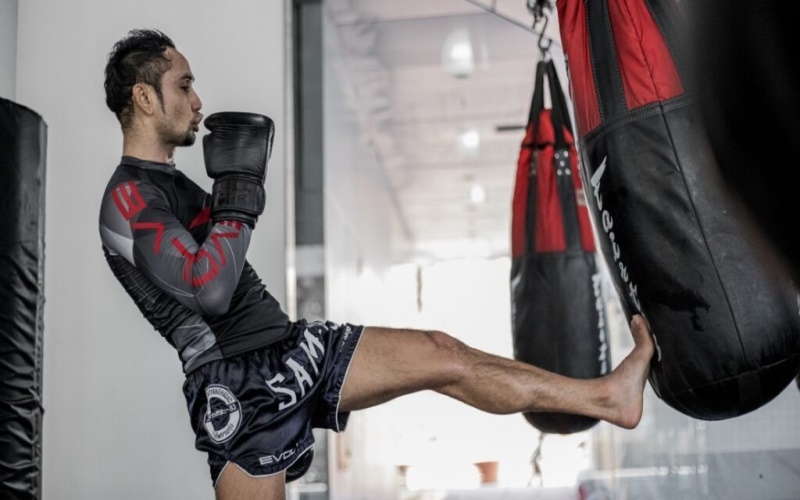
Muay Thai, known as the “Art of Eight Limbs,” is not only about powerful strikes and offensive techniques but also places significant emphasis on defense. Mastering the art of defense is crucial for any Muay Thai practitioner in beginner course, ensuring they can protect themselves while engaging in the dynamic exchanges of combat. In this article, we’ll explore nine key Muay Thai defensive strategies that are essential for self-preservation in the ring.
1. Effective Blocking Techniques
Mastering effective blocking techniques is fundamental to Muay Thai defense for beginner course. This includes using the arms to shield against punches and kicks, with a particular focus on protecting the head and body. Properly executed blocks serve as the first line of defense, minimizing the impact of opponents’ attacks.
2. Slick Head Movement
Head movement is a dynamic defensive strategy that involves avoiding incoming strikes by subtle shifts and turns. Employing slick head movement not only helps evade punches and kicks but also sets up counter-attacks. This elusive technique is a hallmark of skilled Muay Thai practitioners who can seamlessly bob and weave during exchanges.
3. Clinching for Control
Clinching is a unique aspect of Muay Thai routine that serves both offensive and defensive purposes. In defensive scenarios, clinching involves grabbing an opponent’s neck, arms, or body to control their movements and nullify potential strikes. Clinching allows practitioners to break an opponent’s rhythm and create opportunities for counter-attacks.
4. Swift Footwork and Angles
Swift footwork is essential for effective Muay Thai defense. Moving laterally and creating angles disrupts an opponent’s trajectory, making it challenging for them to land clean strikes. By constantly adjusting positioning, practitioners can control the distance and minimize the chances of being hit.
5. Timely Parrying Techniques
Parrying involves redirecting an opponent’s strikes with well-timed maneuvers. This technique requires precision and timing, allowing practitioners to deflect incoming punches or kicks. Successful parrying creates openings for counter-attacks while keeping the practitioner protected.
6. Utilizing Teeps (Front Kicks) for Distance Control
The teep, or front kick, is a versatile defensive tool that helps maintain distance. Practitioners can use teeps to create space and disrupt an opponent’s rhythm. Executed properly, teeps can act as a proactive defense mechanism, preventing opponents from closing in for strikes.
7. Tactical Blocking for Leg Kicks
Leg kicks are common in Muay Thai routine, and strategic leg blocking is crucial for defense. This involves using the shin to check or block an opponent’s leg kick. Proper leg blocking not only protects against damage but can also create opportunities for counter-attacks. Suwitmuaythaigym is a Muay Thai beginner course for kick technique.
8. Developing a Strong Guard
Maintaining a strong guard is a foundational aspect of Muay Thai defense. A well-positioned guard protects the head, face, and body, reducing the impact of an opponent’s strikes. Practitioners learn to keep a tight guard while remaining fluid and responsive to incoming attacks.
9. Adaptability and Defensive Intelligence
Perhaps the most critical defensive strategy in Muay Thai is adaptability. Reading an opponent’s movements, understanding their patterns, and adapting defensive strategies accordingly are essential skills. Defensive intelligence allows practitioners to anticipate and counter incoming attacks effectively.
