

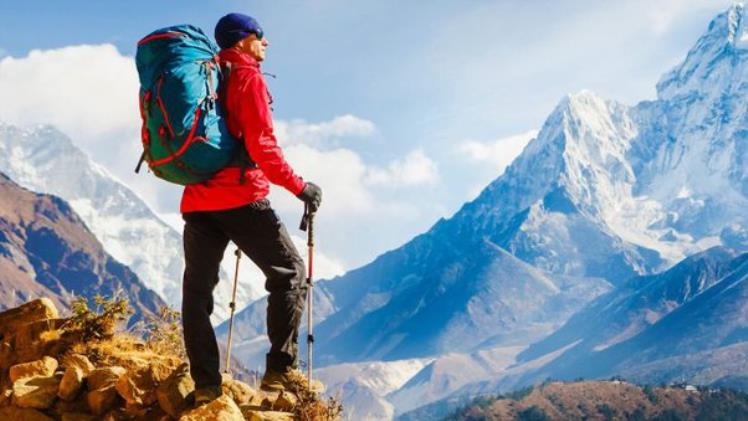
Hiking stands as a holistic activity that nurtures physical, mental, and emotional well-being. Physically, it offers an exceptional cardiovascular workout. The diverse terrains engage your heart, enhancing cardiovascular health and endurance. Navigating through various landscapes engages multiple muscle groups, strengthening and toning muscles, especially in the lower body and core. This weight-bearing exercise also contributes to bone density and joint health, promoting flexibility while fostering overall physical strength.
Beyond the physical benefits, hiking profoundly impacts mental and emotional wellness. Stepping away from the urban hustle and immersing oneself in nature triggers a sense of calmness, reducing stress hormones and promoting relaxation. The activity stimulates the release of endorphins, known as natural mood elevators, resulting in a heightened sense of happiness and well-being. Time spent in nature has shown to improve cognitive function, creativity, and problem-solving abilities, offering mental clarity and tranquility.
Hiking provides an avenue for deeper connection, both with nature and others. It allows for an appreciation of the environment, fostering a sense of awe and wonder. It also serves as a social activity, facilitating quality time with friends or family, strengthening relationships, and building social bonds.
The activity’s benefits extend to overall well-being, including improved sleep patterns and quality. Exposure to natural light and physical exertion during hikes aids in regulating sleep, contributing to better rest. Furthermore, regular hiking offers long-term health benefits, reducing the risk of chronic diseases such as heart disease, diabetes, and hypertension. It supports the immune system, promoting better overall health.
In essence, hiking transcends being merely physical exercise; it’s an immersive experience that nurtures the body, mind, and spirit. Whether seeking adventure, peace, or simply a way to stay active, hiking offers an array of benefits that contribute to a healthier, more balanced lifestyle.
Packing for a Hiking Trip
Packing for a hiking trip is an art that requires balance. Overpacking can burden you with unnecessary weight and items, hindering your hiking experience. Here’s a guide on how to pack smartly and avoid overpacking, especially when it comes to your choice of mens backpack:
Packing for a Hiking Trip
-
Assess Essentials:
Begin by identifying the essentials. Your clothing, including moisture-wicking layers, weather-appropriate attire, and spare socks, should be prioritized. Essential gear such as a first aid kit, navigation tools, and appropriate footwear are non-negotiables. Select items that serve multiple purposes, reducing redundancy in your pack.
-
Streamline Your Gear:
Consider the terrain and duration of your hike when selecting gear. A smaller, lightweight mens backpack forces you to be selective. Opt for lightweight and compressible gear without compromising functionality. Multi-purpose items like a compact stove or a versatile tool can save space and weight.
-
Clothing Strategy:
Pack clothing based on layering. Choose versatile pieces that can be mixed and matched. Avoid packing excessive clothing; focus on essentials like a moisture-wicking base layer, insulating mid-layer, and weatherproof outer layer. Roll or fold clothes compactly to save space.
-
Minimize Toiletries and Extras:
Toiletries often take up unnecessary space. Opt for travel-sized items or multifunctional products. Minimize extras like luxury items or gadgets unless they serve a specific purpose. Limit accessories and focus on essentials like a headlamp or a pocket knife.
-
Avoid Just-in-Case Mentality:
It’s easy to fall into the trap of packing “just-in-case” items. Evaluate each item’s necessity carefully. Assess the likelihood of needing it versus the added weight. Avoid carrying duplicates or items that can be easily improvised or shared.
-
Pack for Comfort, Not Luxury:
Prioritize comfort over luxury. While some comfort items are necessary, limit them to essentials like a lightweight sleeping pad or a small camping pillow. Assess whether the comfort item significantly enhances your hiking experience before adding it to your pack.
-
Test and Refine:
Before your hike, conduct a gear check and test pack your mens backpack. This allows you to assess weight distribution, accessibility of essentials, and overall comfort. Refine your packing list based on the trial run, removing any unnecessary items.
-
Prioritize Functionality:
Focus on functionality over aesthetics. Choose gear that serves its purpose efficiently. Lightweight, durable, and versatile equipment is key. Prioritize items that contribute directly to your safety, comfort, and well-being on the trail.
In Conclusion
When it comes to choosing the right mens backpack for your hiking trip, Cotswold Outdoor offers a range of travel bags designed for durability and functionality. Their collection includes backpacks suitable for hiking, ensuring you have the right pack to carry your essentials without unnecessary bulk.
Explore a variety of travel bags at Cotswold Outdoor and equip yourself with a well-suited backpack for your next hiking adventure, avoiding overpacking while ensuring you have everything you need for a successful and enjoyable hike.
