

A Journey Through Time: The Beginnings of Trade
In the annals of human history, the desire to trade and exchange goods has been a constant. From the ancient Silk Road, where merchants traversed deserts and mountains to exchange luxury goods, to the maritime trade routes that connected continents, the ambition to explore and exchange has been ingrained in our DNA. As we fast forward to today, the means by which goods are transported has dramatically changed, but the essence remains.
The Birth of the Digital Age
With the onset of the digital era, the world became a global village. Distances that once seemed insurmountable became mere numbers on a screen. And with that shrinking of the world came a new challenge: how to move goods across the globe efficiently and effectively. Enter the world of freight solutions specialists. These modern-day wizards have taken the complex task of logistics and turned it into a streamlined process.
Modern Freight: A Symphony of Systems
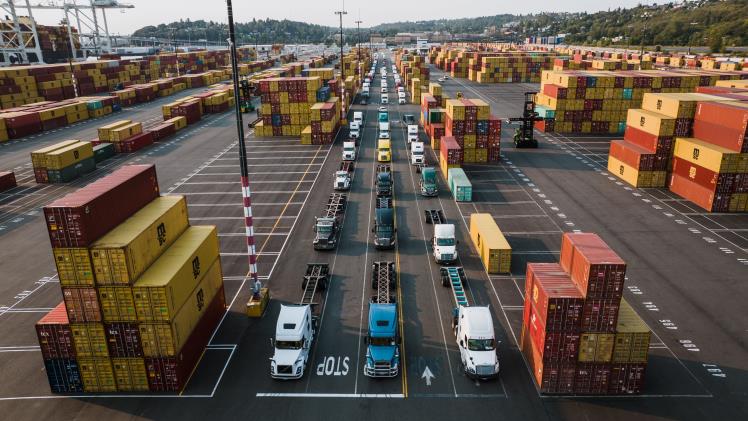
In today’s world, freight isn’t just about moving boxes from Point A to Point B. It’s a complex interplay of systems, regulations, and technologies. With so many moving parts, the need for specialists in the field has never been higher. They employ the latest technologies, from AI-driven route planning to real-time tracking, ensuring that goods arrive safely, on time, and in the most cost-effective manner.
The Environmental Factor
As we move deeper into the 21st century, one of the most significant challenges facing the freight industry is sustainability. With climate change becoming an increasingly pressing concern, the onus is on freight companies to find greener solutions. It’s not just about efficiency anymore; it’s about doing business responsibly. Initiatives like carbon offsetting, eco-friendly packaging, and alternative fuel sources are becoming the norm, not the exception. This shift towards sustainability is not just good for the planet; it’s good for business. Consumers are more aware than ever of the environmental footprint of their purchases, and companies that can provide greener shipping solutions are finding themselves in high demand.
The Road Ahead
So, where does the future of freight lie? In a world that’s becoming increasingly digital, the human touch is still vital. As companies invest more in technology, there’s an equal emphasis on training and development for their staff. After all, technology can help streamline processes, but it’s the human element that ensures customer satisfaction.
Another major trend we’re seeing is the push towards localisation. With the rise of e-commerce logistics, consumers are demanding faster delivery times. To meet this demand, companies are setting up local distribution centres, reducing transit times and ensuring that products reach customers faster than ever before.
In Conclusion
The world of freight has come a long way from the days of the Silk Road. From camels to cargo ships, and now to digitally driven logistics solutions from worldwidelogisticsltd.com/, the journey has been long and varied. However, one thing remains constant: the human desire to connect, trade, and grow. As we look to the future, it’s clear that while technology will play a significant role, it’s the combination of tech and touch that will drive the industry forward. As consumers, it’s an exciting time to be a part of this global network, and as we’ve seen, the possibilities are endless.
