

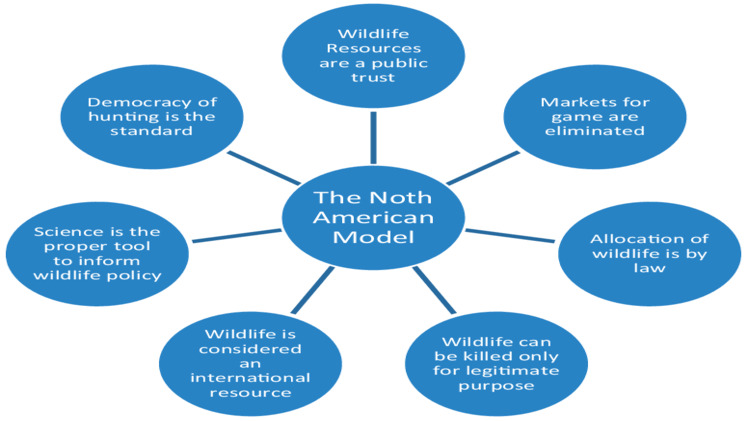
Introduction
The management of wildlife resources is a critical endeavor that requires a comprehensive and well-defined framework. This framework is provided by a set of guiding principles that serve as the foundation for conserving and sustaining wildlife populations. In this article, we will explore the essential guiding principles that form the backbone of effective wildlife resource management.
Conservation as the Core Objective
- Preservation of Biodiversity: The primary goal of wildlife resource management is the conservation of biodiversity. This involves protecting the variety of species, habitats, and ecosystems that collectively form the natural world.
- Balancing Human Needs and Conservation: Effective wildlife management seeks to find a balance between human needs, such as economic development and sustenance, and the conservation of wildlife and their habitats.
- Sustainable Utilization of Resources
- Harvesting with Responsibility: Guiding principles emphasize responsible and sustainable harvesting of wildlife resources. This ensures that the utilization of wildlife does not jeopardize the long-term viability of species or ecosystems.
- Regulating Harvesting Practices: Regulations and guidelines are established to control hunting, fishing, and gathering activities, ensuring that they are conducted in a manner that maintains population stability.
Habitat Conservation and Restoration
- Preservation of Critical Habitats: Protecting and preserving essential habitats, such as breeding and feeding grounds, is a cornerstone of effective wildlife management. This ensures that species have access to the resources they need for survival.
- Restoration Initiatives: Guiding principles also advocate for habitat restoration efforts, which aim to rehabilitate degraded or altered environments to support healthy wildlife populations.
Scientific Research and Monitoring
- Informed Decision-Making: Science-based research provides crucial data and information that guide management decisions. It helps in understanding species behaviors, population dynamics, and ecological interactions.
- Regular Monitoring: Continuous monitoring of wildlife populations, habitats, and ecosystems allows managers to adapt strategies in response to changing conditions or emerging threats.
Collaboration and Partnerships
- Stakeholder Engagement: Effective wildlife management recognizes the importance of engaging various stakeholders, including local communities, conservation organizations, government agencies, and academic institutions. Collaborative efforts enhance the effectiveness of conservation initiatives.
- International Cooperation: Many species have ranges that cross international borders. Collaborative agreements and treaties facilitate cross-border conservation efforts, ensuring the protection of migratory species.
Education and Outreach
- Raising Awareness: Guiding principles emphasize the importance of educating the public about the value of wildlife and the role of conservation in maintaining healthy ecosystems.
- Promoting Ethical Behavior: Education and outreach programs also aim to instill ethical behavior and practices among the public, such as responsible wildlife viewing and minimizing human impact on natural habitats.
Adaptive Management
- Flexibility in Approach: Wildlife management principles advocate for an adaptive approach, which allows for flexibility in strategies and actions based on new information and changing circumstances.
- Learning from Experience: Evaluating the outcomes of management actions and learning from both successes and failures is crucial for refining strategies and achieving long-term conservation goals.
Conclusion: A Holistic Approach to Wildlife Resource Management
The set of guiding principles for managing wildlife resources provides a comprehensive framework that encompasses conservation, sustainability, research, collaboration, and education. By adhering to these principles, wildlife managers work towards the preservation of biodiversity, the sustainable use of resources, and the harmonious coexistence of humans and wildlife. Through collective efforts and informed decision-making, we can safeguard the rich tapestry of life on our planet for future generations.
