

Introduction:
A ruptured eardrum, also known as a tympanic membrane perforation, can bring about discomfort and a heightened sensitivity to various everyday activities, including sleep. For individuals dealing with this condition, choosing the right sleeping position becomes crucial to mitigate any additional strain or discomfort. In this article, we explore the considerations and recommendations for determining the optimal side to sleep on when facing a ruptured eardrum.
Understanding a Ruptured Eardrum:
A ruptured eardrum is a tear or hole in the thin membrane that separates the outer ear from the middle ear. This can result from various causes, such as ear infections, changes in air pressure, or traumatic injuries. The symptoms may include pain, hearing loss, and a discharge from the ear. Given the sensitivity of the condition, it’s essential to be mindful of daily activities that can exacerbate discomfort, including sleep.
Sleeping Positions and Pressure:
The choice of sleeping position can influence the pressure exerted on the ear and, consequently, impact the comfort level for someone with a ruptured eardrum. When lying on the affected side, the gravitational pull can increase pressure, potentially causing more pain or irritation. Conversely, sleeping on the opposite side might alleviate some of the pressure and contribute to a more restful night’s sleep.
Preferred Sleeping Side:
For individuals with a ruptured eardrum, the generally recommended sleeping position is to favor the unaffected ear. This means lying on the side opposite to the one with the ruptured eardrum. This position helps minimize the direct pressure on the compromised ear, providing relief and allowing for a more comfortable sleep experience.
Pillows and Support:
The choice of pillows and their arrangement can also play a role in optimizing comfort for those with a ruptured eardrum. Placing a supportive pillow under the head and neck can help maintain a neutral spine alignment, reducing strain on the neck and shoulders. Additionally, using a soft pillow to support the head while sleeping on the unaffected side can contribute to a more ergonomic sleeping position.
Elevating the Head:
Elevating the head slightly can be beneficial for individuals with a ruptured eardrum. This position can help prevent fluid from accumulating in the middle ear, reducing the risk of infection and promoting a more comfortable sleep experience. However, it’s essential to strike a balance, as excessive head elevation might lead to discomfort in other areas.
Consulting with a Healthcare Professional:
While general recommendations can guide sleeping positions for those with a ruptured eardrum, it’s crucial to consult with a healthcare professional for personalized advice. The severity of the rupture, associated symptoms, and individual considerations can vary. A healthcare provider can offer specific guidance based on the unique circumstances of the condition.
Additional Tips for Comfortable Sleep:
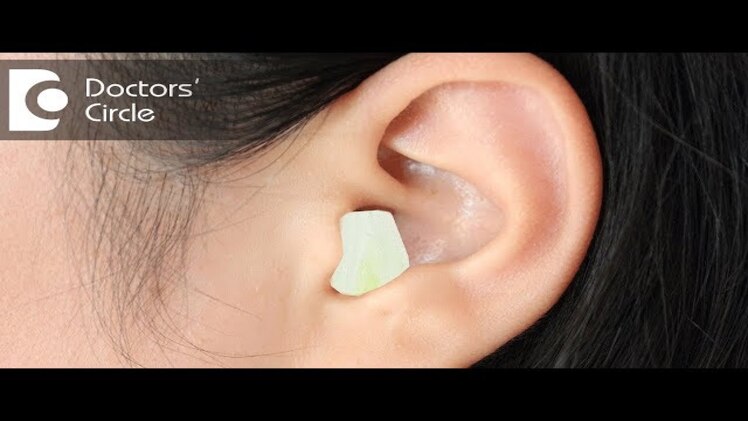
Apart from choosing the right sleeping side, there are other considerations to enhance sleep comfort for individuals with a ruptured eardrum. These may include using earplugs to minimize environmental noise, avoiding sudden movements that may disturb the affected ear, and creating a soothing bedtime routine to promote relaxation.
Monitoring Symptoms and Seeking Treatment:
It’s essential for individuals with a ruptured eardrum to monitor their symptoms and seek prompt medical attention if needed. Persistent pain, increased drainage, or worsening hearing loss may indicate complications that require professional evaluation and intervention. Regular follow-ups with a healthcare provider can ensure proper monitoring of the condition and adjustments to the treatment plan as necessary.
Conclusion:
Sleeping with a ruptured eardrum involves thoughtful consideration of sleeping positions to minimize discomfort and promote restful sleep. Favoring the unaffected ear, using supportive pillows, and consulting with a healthcare professional for personalized advice are crucial steps in optimizing sleep comfort. As individuals navigate the challenges associated with a ruptured eardrum, adopting these considerations can contribute to a more peaceful and restorative night’s sleep.
