

Introduction:
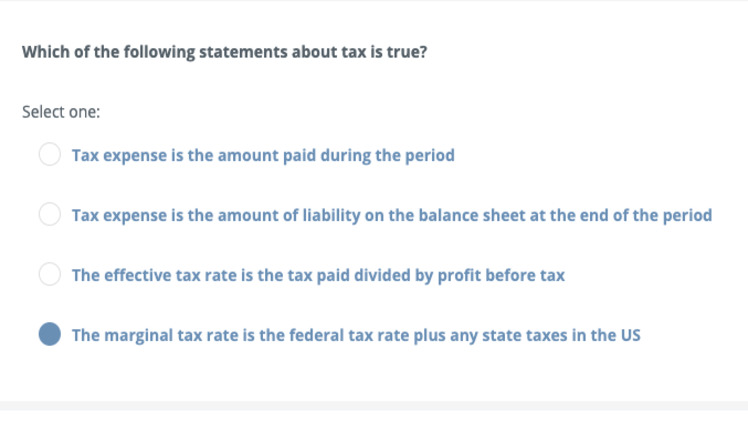
Taxes are an inevitable aspect of modern life, shaping economies, funding public services, and influencing individual financial decisions. However, the complexities surrounding tax systems often lead to misconceptions and misunderstandings. In this article, we’ll dissect a few common statements about taxes and explore which among them holds true, shedding light on the nuances that define our fiscal responsibilities.
“Taxes are a Necessary Evil”:
The perception of taxes as a necessary evil is a sentiment shared by many. While the term “evil” may carry a negative connotation, the truth lies in the essential role taxes play in sustaining public infrastructure and services. From funding education and healthcare to maintaining roads and public safety, taxes are the lifeblood of a functioning society. Therefore, it is accurate to say that taxes are necessary for the collective well-being of a community.
“Everyone Pays the Same Percentage of Their Income in Taxes”:
The statement that everyone pays the same percentage of their income in taxes is not universally true. Most tax systems are progressive, meaning that individuals with higher incomes pay a higher percentage of their income in taxes. This progressive structure aims to distribute the tax burden more equitably, ensuring that those with greater financial capacity contribute proportionally more to the funding of public services.
“Tax Laws are Static and Unchanging”:
Contrary to the belief that tax laws are static, they are, in fact, subject to constant change. Governments regularly reassess and adjust tax regulations to respond to economic conditions, societal needs, and policy objectives. Tax laws may evolve to promote economic growth, address income inequality, or incentivize specific behaviors. Staying informed about these changes is crucial for individuals and businesses to navigate the tax landscape effectively.
“Tax Avoidance is the Same as Tax Evasion”:
While both tax avoidance and tax evasion involve minimizing tax liability, they are distinct concepts. Tax avoidance refers to legal strategies employed to reduce tax obligations, often through the use of loopholes or incentives provided by the tax code. On the other hand, tax evasion involves illegal activities, such as underreporting income or hiding assets, with the intent to evade paying owed taxes. It is true that tax evasion is illegal and can lead to severe consequences, including fines and imprisonment, while tax avoidance, if within legal bounds, is a legitimate financial strategy.
“Taxes Only Fund Government Spending”:
While a significant portion of taxes goes toward funding government expenditures, this statement oversimplifies the multifaceted role of taxes in a modern economy. Taxes serve not only as a source of revenue but also as a tool for economic regulation and redistribution. Governments use taxes to influence behavior, such as discouraging harmful activities through sin taxes or promoting environmentally friendly practices through tax incentives. Moreover, taxes contribute to monetary policy by affecting the overall level of economic activity and inflation.
Conclusion:
Navigating the realm of taxes requires a nuanced understanding of their multifaceted role in society. The true nature of taxes extends beyond being a necessary evil, encompassing their role in funding public services, supporting economic policies, and promoting social objectives. Acknowledging the progressive nature of tax systems, the dynamic nature of tax laws, and the distinction between legal strategies and illegal activities in minimizing tax liability enhances our comprehension of this complex fiscal landscape. As individuals, being informed about the intricacies of taxes empowers us to make informed financial decisions and participate actively in shaping the policies that govern our economic reality.
