

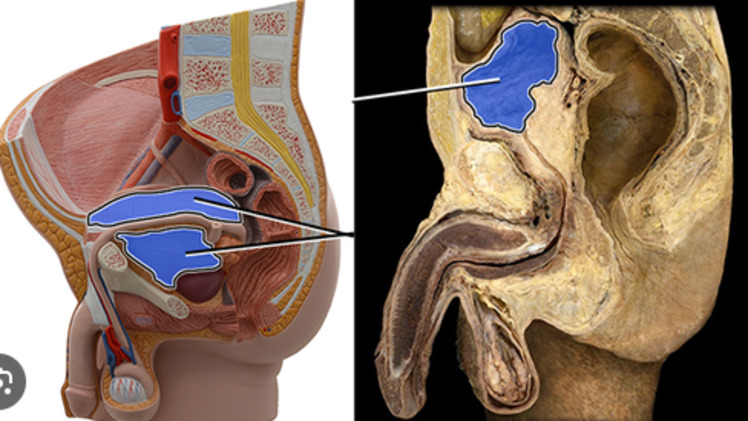
Introduction:
In the world of design, engineering, and architecture, precision and clarity are paramount. Leader lines, with their distinctive arrows and text, play a crucial role in communicating specific information about highlighted structures within a drawing or diagram. In this article, we delve into the importance of leader lines and the role they play in indicating and highlighting structures in various fields.
Defining Leader Lines:
Leader lines are graphic elements used to connect a specific part of a drawing or diagram to a note or label. They typically consist of a line, an arrowhead, and text, forming a cohesive visual cue that guides the viewer’s attention to a particular element within the overall structure. Leader lines serve as an effective communication tool, providing context and information that enhances understanding.
Highlighting Key Structures:
One of the primary functions of leader lines is to highlight key structures within a design or illustration. Whether in architectural blueprints, engineering schematics, or graphic design layouts, leader lines draw attention to specific components, elements, or dimensions that are essential for comprehension. By doing so, they help prevent confusion and ensure that the viewer focuses on the relevant details.
Providing Context and Information:
Leader lines are not merely decorative; they are informative. The inclusion of text along the leader line allows for the conveyance of crucial details about the highlighted structure. This information can range from dimensions and specifications to labels identifying specific parts or features. The synergy of the line, arrow, and text creates a comprehensive visual guide, enriching the viewer’s understanding.
Navigating Complex Designs:
In intricate designs and detailed drawings, navigating the complexity of structures can be challenging. Leader lines act as navigational aids, guiding the viewer’s eye to the specific area of interest. Whether it’s a component in a mechanical diagram or a room in an architectural plan, leader lines simplify the visual landscape and facilitate a more focused examination of individual elements.
Enhancing Communication in Engineering:
In engineering disciplines, where precision is paramount, leader lines play a crucial role in conveying critical information. They are often employed to highlight dimensions, tolerances, and geometric characteristics of structures. By doing so, leader lines contribute to effective communication between designers, engineers, and other stakeholders involved in the creation and interpretation of technical drawings.
Architectural Clarity and Detailing:
Architectural drawings, be they floor plans or elevation views, heavily rely on leader lines to articulate the specifics of a structure. From indicating room dimensions to highlighting design features, leader lines enhance the clarity and detailing of architectural documentation. This meticulous approach aids both construction teams and clients in understanding the intricacies of the proposed or existing structure.
Graphic Design Precision:
In graphic design, leader lines serve a similar purpose, guiding the viewer’s attention to specific elements within a composition. Whether used in infographics, illustrations, or diagrams, leader lines contribute to the overall precision and clarity of the visual message. They are instrumental in creating a hierarchy of information, ensuring that the audience absorbs the most important details.
Promoting Consistency in Design:
The strategic use of leader lines also contributes to the overall aesthetic and consistency of a design. When applied consistently throughout a set of drawings or diagrams, leader lines create a visual language that enhances cohesiveness. This consistency is vital in professional settings, ensuring that all team members interpret the drawings accurately and adhere to standardized conventions.
Digital Applications and Beyond:
With advancements in technology, leader lines have seamlessly transitioned into digital applications. Computer-aided design (CAD) software, illustration tools, and graphic design programs all incorporate leader lines as essential elements for communicating information. This adaptability underscores the enduring significance of leader lines in diverse fields.
Conclusion:
In the intricate tapestry of design, engineering, and architecture, leader lines emerge as silent communicators, guiding our eyes and attention to the details that matter. Whether indicating dimensions in technical drawings, highlighting features in architectural plans, or guiding the gaze through a graphic design layout, leader lines play a vital role in enhancing precision, clarity, and effective communication. As we encounter these subtle arrows and lines, we gain a deeper appreciation for their unspoken language, deciphering the intricacies of the structures they elegantly highlight and indicate.
