

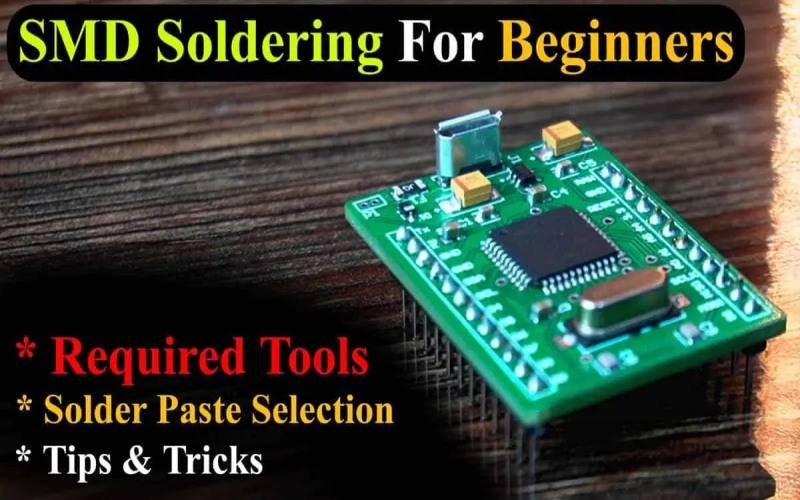
Introduction:
In the ever-evolving realm of electronics, Surface Mount Devices (SMD) have become integral components in the design and manufacturing of modern electronic devices. SMD technology has revolutionized the way electronic circuits are constructed, offering compactness, efficiency, and versatility. This article will delve into the techno tricks of SMD electronics, exploring various aspects that make these components so crucial in the world of technology.
Miniaturization Marvels: The Power of Compactness
One of the standout features of SMD electronics is their compact size. Traditional through-hole components are bulkier, while SMDs allow for higher component density on a PCB (Printed Circuit Board). This miniaturization has numerous advantages, including reduced weight, smaller form factors for devices, and enhanced performance. Designers harness the power of compactness to create sleek, portable gadgets without compromising functionality.
Soldering Secrets: Reflow vs. Hand Soldering
SMD components are typically soldered onto PCBs using one of two main methods: reflow soldering or hand soldering. Reflow soldering involves applying solder paste to the PCB, placing the components, and then subjecting the entire assembly to controlled heat. This process ensures precise and automated soldering, making it suitable for mass production. On the other hand, hand soldering requires skill and precision as solder is applied to individual components using a soldering iron. Knowing when to use each method is a crucial techno trick for electronics manufacturers.
Component Placement Precision: The Art of Stencils
Achieving precision in component placement is paramount in SMD assembly. Stencils play a crucial role in this process. Solder paste stencils are thin sheets with openings corresponding to the pads on the PCB. Applying solder paste through these stencils ensures accurate and consistent placement of the paste on the board. This precision is essential for preventing soldering defects and ensuring the reliability of the final product.
Package Variety: The SMD Palette
SMD components come in various packages, each designed for specific applications. From the compact and common SOIC (Small Outline Integrated Circuit) to the tiny QFN (Quad Flat No-leads) packages, understanding the characteristics of different SMD packages is a techno trick that engineers must master. The choice of package affects the performance, thermal characteristics, and overall functionality of the component.
Reflow Oven Optimization: The Temperature Dance
Reflow ovens are a critical element in SMD assembly. Achieving the right temperature profile during the reflow process is essential for proper soldering and preventing thermal damage to sensitive components. Engineers must master the temperature dance, understanding ramp-up, soak, and cool-down phases. Optimizing the reflow oven for specific components and solder pastes is a techno trick that ensures consistent and reliable solder joints.
Stress-Free Soldering: Thermal Considerations
SMD components, like any electronic devices, are susceptible to thermal stress. Managing and mitigating thermal issues is a crucial techno trick for ensuring the longevity and reliability of electronic systems. Techniques such as thermal vias, heat sinks, and proper PCB layout help dissipate heat effectively, preventing overheating and ensuring stable operation under varying conditions.
Inspection Innovations: AOI and X-ray Technology
Ensuring the quality of SMD assemblies requires advanced inspection techniques. Automated Optical Inspection (AOI) systems use cameras and algorithms to detect defects such as misalignment, solder bridges, and missing components. X-ray technology, on the other hand, provides a glimpse beneath the surface, allowing inspection of hidden solder joints and verifying the integrity of complex assemblies. Integrating these inspection technologies is a techno trick that enhances the reliability of SMD assemblies.
Conclusion:
Surface Mount Devices have redefined the landscape of electronics, offering a myriad of techno tricks that empower engineers and manufacturers. From the intricacies of soldering to the art of component placement, each aspect plays a crucial role in the success of SMD electronics. As technology continues to advance, mastering these tricks becomes increasingly essential for staying at the forefront of innovation and delivering electronic solutions that meet the demands of the modern world.
