

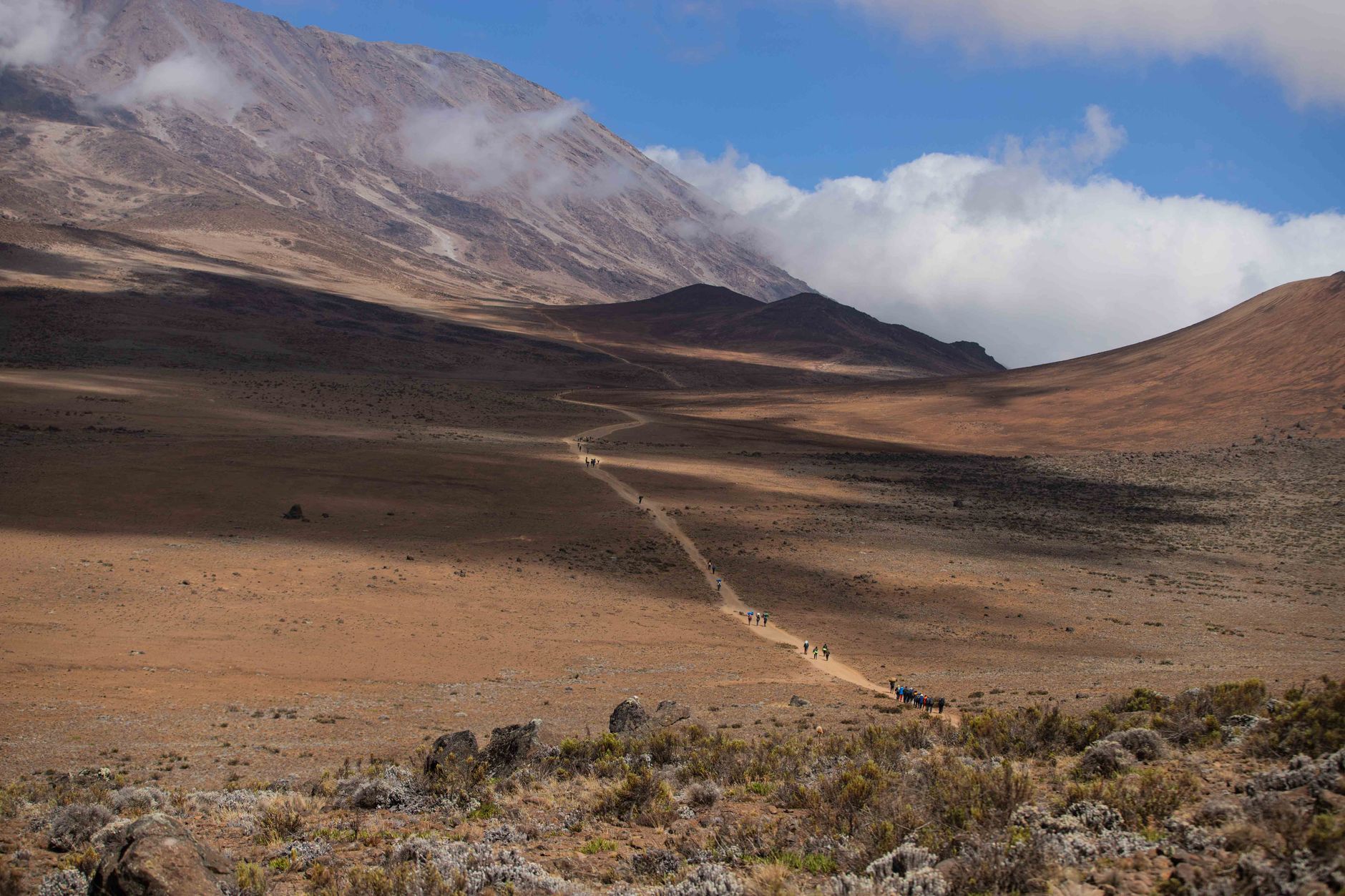
Africa is one of the most diverse and breathtaking continents in the world, offering everything from vast deserts and wildlife safaris to modern cities, tropical beaches, and ancient cultural heritage. Understanding How To Travel In Africa can help you explore this incredible continent safely, affordably, and confidently. Many travelers are drawn to Africa for its unique experiences, but proper planning is essential because travel conditions, distances, and infrastructure vary widely between regions.
Whether you are dreaming of a safari in Kenya, exploring Morocco’s historic medinas, relaxing on Zanzibar’s beaches, or discovering South Africa’s scenic routes, a well-planned approach will help you make the most of your journey. With the right preparation, traveling across Africa can be one of the most rewarding experiences of your life.
Planning Your Trip Across Africa
The first step in learning How To Travel In Africa is proper planning. Africa is not a single travel experience but a collection of very different regions, each with its own climate, culture, and transportation systems. Before booking anything, decide which countries you want to visit and how much time you can spend in each destination.
It is important to research visa requirements early, as many African countries require advance applications or e-visas. Some regions also require proof of vaccinations, such as yellow fever certificates. Planning ahead ensures you avoid last-minute complications.
Seasonality also plays a major role in your travel experience. For example, East Africa is best for safaris during dry seasons when animals gather near water sources, while North Africa is more comfortable in cooler months. Matching your itinerary with the right season will significantly improve your trip.
Budget planning is equally important. Costs vary widely depending on whether you choose luxury safaris, mid-range hotels, or budget backpacking options. Setting a clear daily budget helps you balance comfort and affordability.
Choosing Transportation Options
Transportation is one of the most important aspects of How To Travel In Africa because distances between attractions can be large and infrastructure varies by region. In major countries like South Africa, Morocco, and Kenya, domestic flights, buses, and trains are commonly used, while more remote areas may rely on 4×4 vehicles or private transfers.
Flights are often the fastest way to travel between distant countries or regions, especially in East and West Africa. However, booking in advance is essential to get reasonable prices. Regional airlines connect major cities and tourist hubs efficiently.
Long-distance buses are a budget-friendly option in many countries, offering routes between cities and towns. While travel times can be long, buses are widely used by both locals and travelers. Train travel is available in some regions and offers scenic and comfortable journeys, especially in countries like South Africa and Morocco.
For safaris and national parks, guided tours with specialized vehicles are usually the best option. These tours provide both transportation and expert knowledge about wildlife and landscapes.
Staying Safe While Traveling
Safety is a key consideration when learning How To Travel In Africa, and it is important to approach travel with awareness rather than fear. Most popular tourist destinations across Africa are safe when basic precautions are followed.
One of the most important safety tips is to stay informed about the regions you plan to visit. Some areas may have travel advisories, while others are very tourist-friendly and well-developed. Checking official travel updates before your trip is always recommended.
Personal safety in cities can be managed by avoiding isolated areas at night, using trusted transportation services, and keeping valuables secure. In rural or safari areas, following your guide’s instructions is essential for wildlife safety.
Health precautions are also important. Carrying basic medications, using bottled water where necessary, and having travel insurance that covers medical emergencies will give you peace of mind during your journey.
Respecting local customs and cultural norms also contributes to safer and more meaningful travel experiences. Dressing modestly in certain regions and being polite when interacting with locals can make a big difference.
Budgeting and Saving Money
Understanding budgeting is a key part of How To Travel In Africa, especially because costs can vary significantly between countries and travel styles. Africa offers both luxury experiences and very affordable travel options depending on your choices.
Accommodation ranges from high-end safari lodges to budget hostels and guesthouses. Booking early often helps secure better rates, especially during peak tourist seasons. In less touristy areas, local guesthouses can offer authentic and affordable stays.
Food is generally affordable in many African countries, especially when eating at local restaurants or markets. Street food can also be a great way to experience authentic local flavors while saving money.
Transportation costs can be reduced by combining buses, shared taxis, and regional flights instead of private transfers. Group tours are another cost-effective option, especially for safaris, where sharing transport reduces expenses.
It is also wise to carry a mix of payment methods, including cash in local currency and international cards, as availability of ATMs and card payments varies by region.
Exploring Top Destinations
Africa is home to countless destinations, and choosing where to go is an exciting part of planning How To Travel In Africa. Each region offers unique experiences that appeal to different types of travelers.
East Africa is famous for wildlife safaris in Kenya and Tanzania, including the Serengeti and Maasai Mara. These destinations offer unforgettable opportunities to see the Big Five animals in their natural habitat.
North Africa features countries like Morocco and Egypt, where travelers can explore ancient cities, desert landscapes, and historic landmarks such as the Pyramids of Giza and the markets of Marrakech.
Southern Africa is known for its natural beauty, including South Africa’s Cape Town, Namibia’s deserts, and Victoria Falls shared between Zambia and Zimbabwe. This region is ideal for road trips and outdoor adventures.
West Africa offers rich cultural experiences, music, and history, with destinations like Ghana and Senegal providing insight into vibrant local traditions.
Cultural Etiquette and Local Experiences
A meaningful part of How To Travel In Africa is understanding and respecting local cultures. Africa is incredibly diverse, with thousands of ethnic groups, languages, and traditions across the continent.
Learning a few basic greetings in local languages can go a long way in building positive interactions with locals. Hospitality is an important part of many African cultures, and visitors are often welcomed warmly.
Dress codes vary by region. In more conservative areas, modest clothing is appreciated, while coastal and tourist regions tend to be more relaxed. Observing how locals dress is a good way to guide your own choices.
Participating in cultural experiences such as traditional music performances, village visits, and local cooking classes can enrich your journey and provide deeper understanding of the places you visit.
Responsible tourism is also important. Supporting local businesses, respecting wildlife, and minimizing environmental impact help preserve Africa’s natural and cultural heritage for future travelers.
Final Thought
Learning How To Travel In Africa opens the door to one of the most diverse and unforgettable travel experiences in the world. From stunning landscapes and wildlife encounters to vibrant cities and deep cultural traditions, Africa offers something for every type of traveler.
With careful planning, awareness of safety, smart budgeting, and respect for local cultures, you can explore the continent confidently and meaningfully. Whether you are embarking on your first African adventure or returning to discover new regions, thoughtful preparation will help you make the most of your journey and create memories that last a lifetime.
FAQs
How To Travel In Africa safely as a first-time visitor?
Plan your trip carefully, choose reputable guides, stay informed about local conditions, and follow basic safety precautions at all times.
What is the best time to visit Africa?
The best time depends on the region, but dry seasons are generally ideal for safaris and outdoor activities.
Is it expensive to travel in Africa?
Travel costs vary widely, with options ranging from budget-friendly trips to luxury experiences depending on your preferences.
Do I need vaccinations to travel in Africa?
Some countries require vaccinations such as yellow fever, so it is important to check health requirements before traveling.
What are the safest countries to visit in Africa?
Many tourist destinations like Morocco, Kenya, Tanzania, South Africa, and Botswana are popular and generally safe when precautions are followed.
Can I travel around Africa by public transport?
Yes, buses, shared taxis, and trains are available in many regions, though travel conditions vary by country.
Is Africa good for safari trips?
Yes, Africa is one of the best destinations in the world for wildlife safaris, especially in East and Southern Africa.
Do I need travel insurance for Africa?
Yes, travel insurance is highly recommended to cover medical emergencies, delays, and unexpected issues.
What currency is used in Africa?
Africa uses multiple currencies depending on the country, so you should carry local currency or use international payment methods where accepted.
Can I travel independently in Africa?
Yes, but in some regions guided tours are recommended for safety, convenience, and better travel experiences.
